
Four Locust Farms:
A Legacy Rooted in History and Heritage
Preserving Our Agricultural Heritage for Generations to Come
Four Locust Farms is located in Charlotte County, Virginia. Our home farm, located in Keysville, consists of 390-acres with several other farms throughout both Charlotte and Halifax counties.
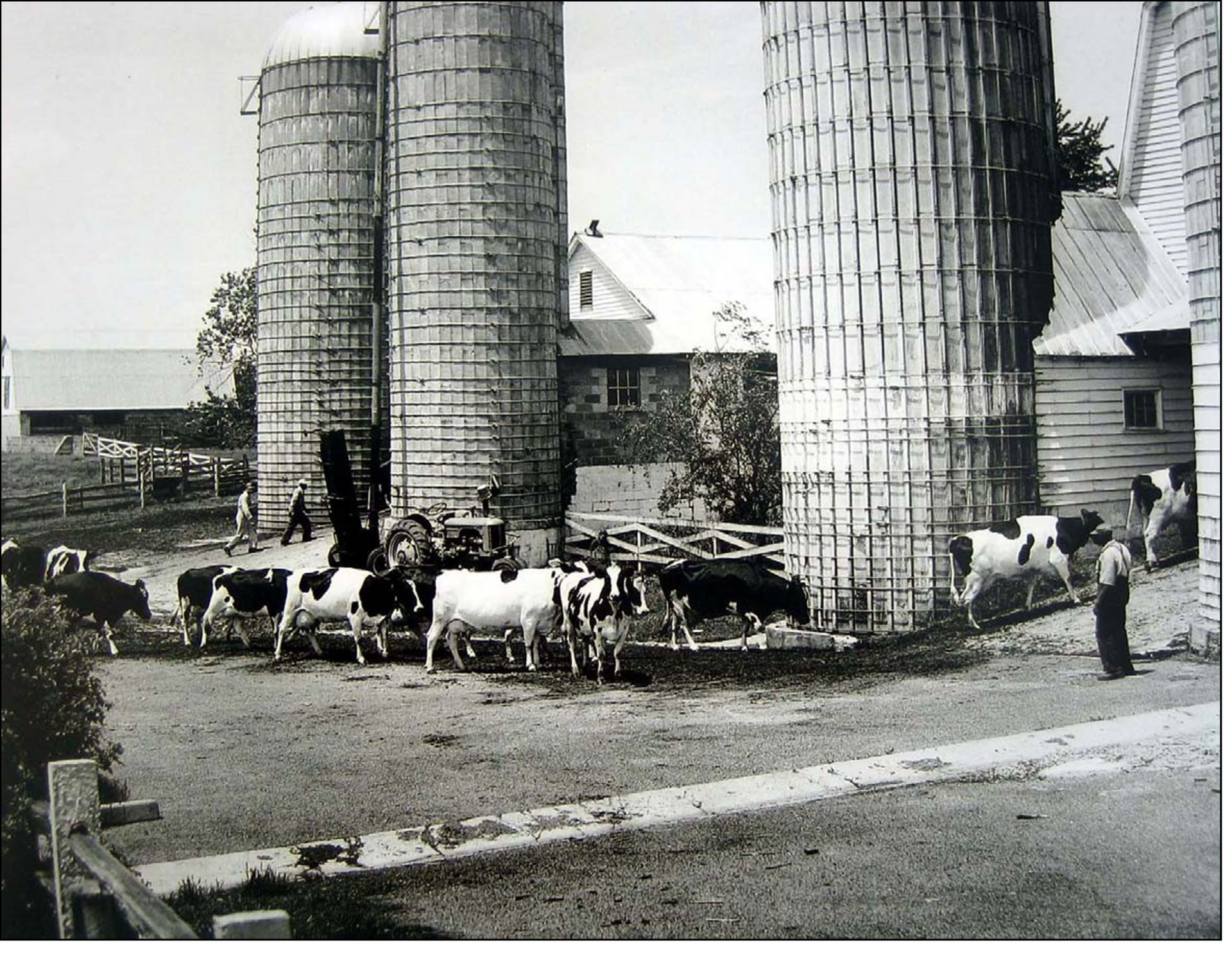
From 1925-1962, the farm operated as Pettus Dairy Farm, a major Richmond-market dairy operation. Today, the farm is a beef cow-calf operation under the management of fourth-generation owner R. Z. Tucker, along with his son, R. D. Tucker. The farm now proudly produces both Angus and Hereford cattle.
Four Locust Farms is listed on both the Virginia Landmarks Register and the National Register of Historic Places and is recognized as a Virginia Century Farm for long-term continuous family ownership and production.
Founding and Early Years
Established in the early 1800s, Four Locust Farms began as a modest family homestead, laying the foundation for generations of agricultural stewardship in Charlotte County.
Century Farm Designation
Four Locust Farms earned the Virginia Century Farm status, recognizing over 100 years of continuous family ownership and commitment to sustainable farming practices.
National Historical Registry Recognition
The farm was added to the National Historical Registry in 2005, highlighting its architectural heritage and role in Virginia’s rural and agricultural history.
Modern Operations and Legacy
Today, Four Locust Farms continues its beef cow-calf operation under R. Z. and R. D. Tucker, blending tradition with modern techniques to preserve its historical significance.
Operations
Four Locust Farms operates a sustainable cow-calf beef program, preserving its agricultural heritage while supplying families with premium-quality beef.
Daily Practices
Our routine includes pasture rotation, herd health monitoring, and calving management to ensure quality livestock and land stewardship.
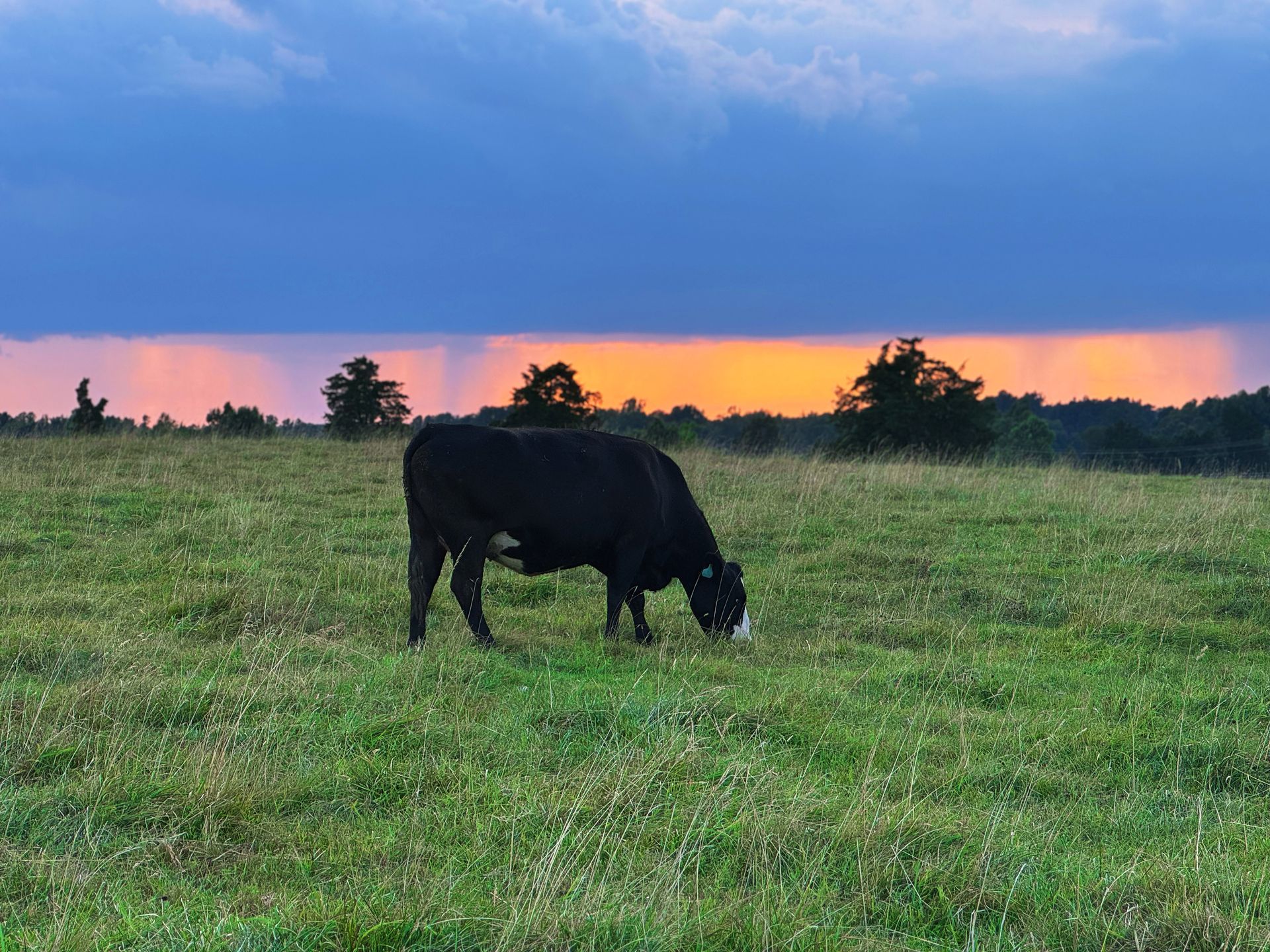
Herd Care
Regular health checks and nutrition plans are implemented to maintain the wellbeing of the cow-calf herd throughout the seasons.
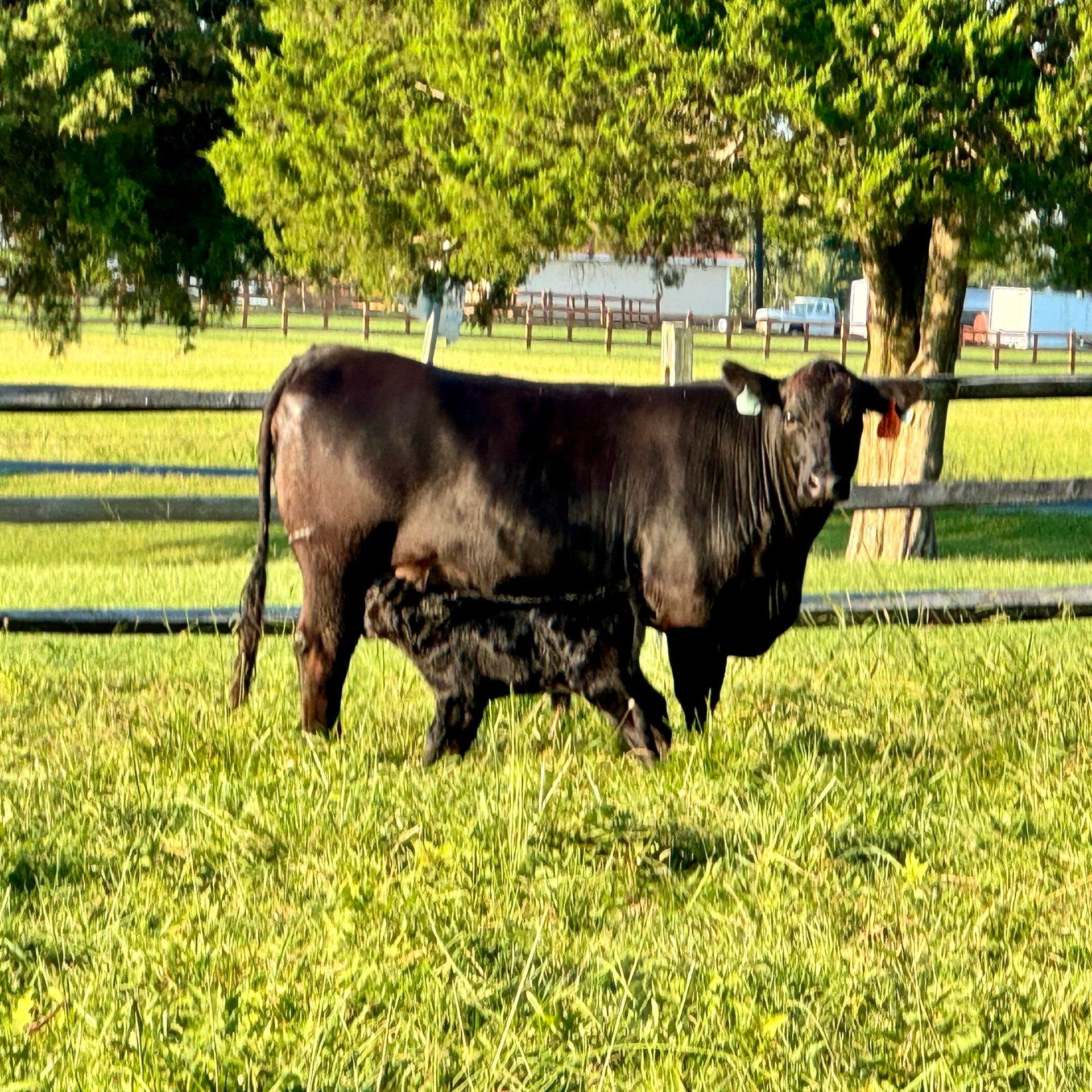
Land Management
Pasture rotation, as well as soil and water conservation techniques, preserves the farm’s productivity and honors its long-standing agricultural legacy.
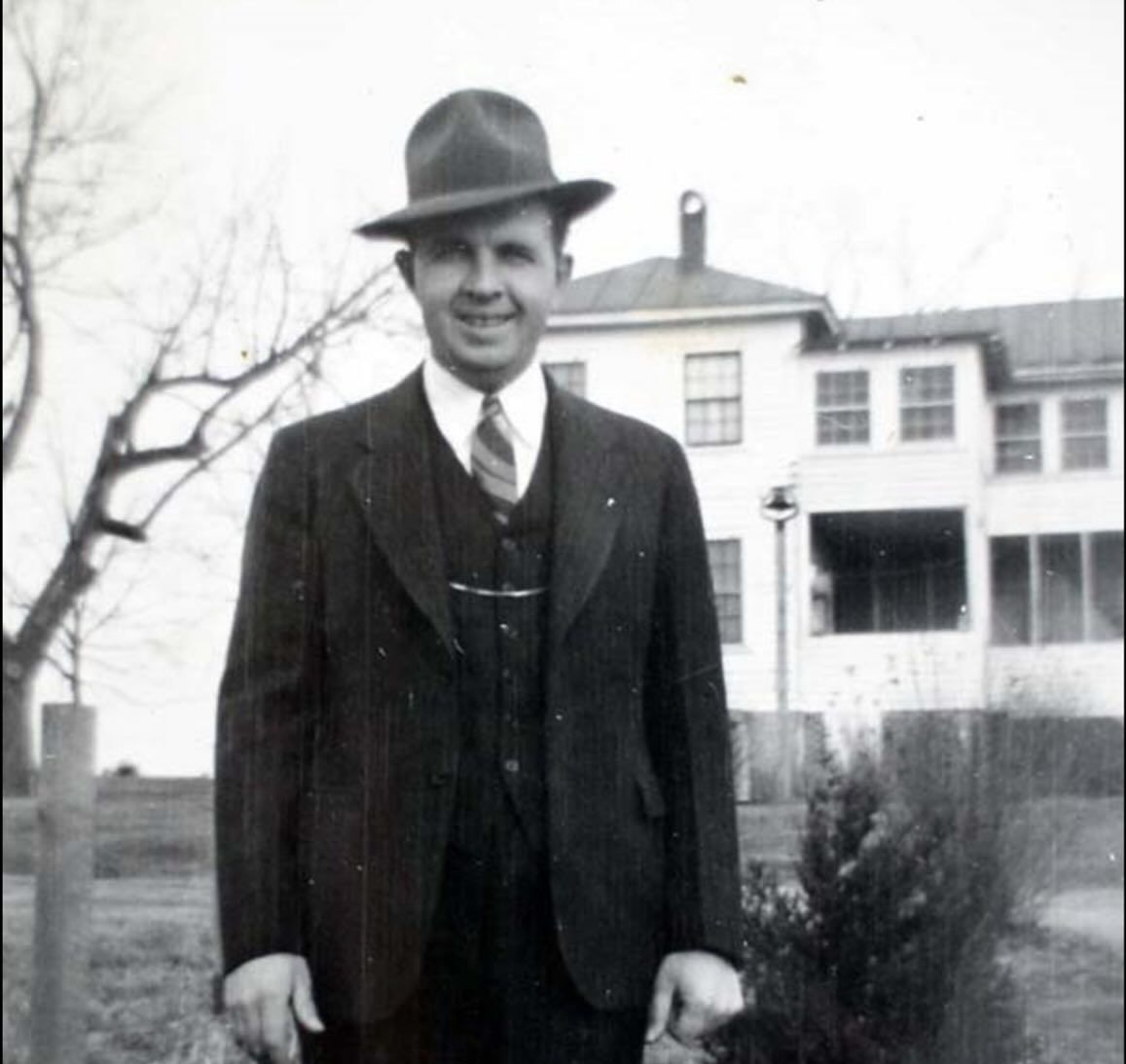
Legacy Impact
The operation sustains traditional farming methods while contributing to the farm’s historical significance and community role.
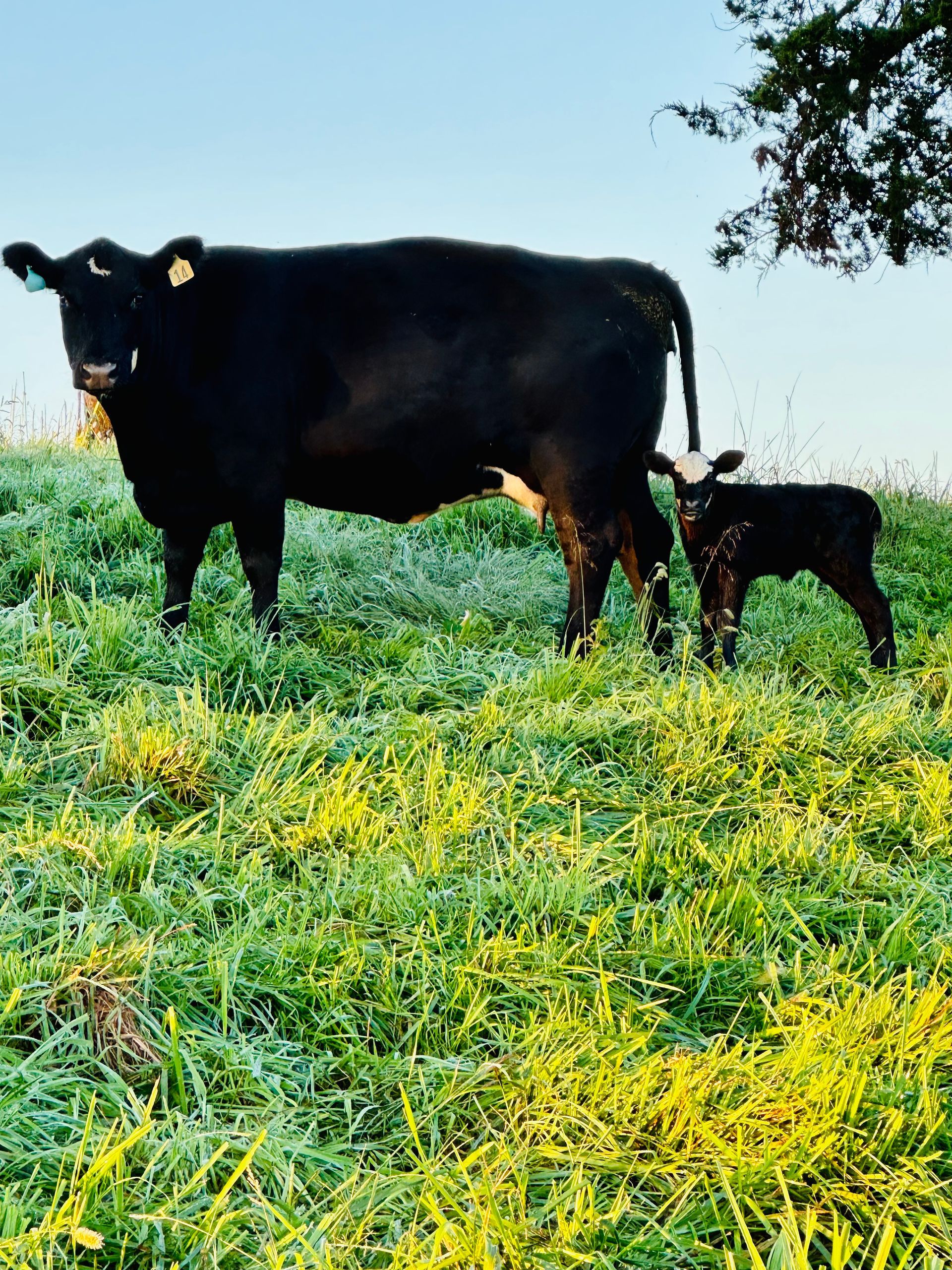
Sustaining History
Four Locust Farms' daily operations reflect a commitment to preserving its heritage and supporting future generations of farming.
Community Roots
Four Locust Farms has supported Charlotte County by providing consistent agricultural practices and fostering local partnerships since its establishment.
Sustaining Local Agriculture
Our farm sustains local agriculture by raising high-quality cattle with responsible farming practices while offering pasture-to-plate beef to the community.
Preserving Heritage
As a Virginia Century Farm on the National Historical Registry, it stands as a living testament to the area’s farming legacy and ongoing community commitment.
Explore Four Locust Farms' Enduring Legacy
A Century Farm Honored on the National Historical Registry
Four Locust Farms stands as a testament to Virginia’s agricultural heritage, maintaining continuous family ownership and operation for over a century. Recognized as a Century Farm and listed on the National Historical Registry, it reflects a commitment to sustainable beef cow-calf farming and community stewardship. Reach out to us to see how tradition and modern farming practices coexist, preserving a vital piece of local history.
Contact Us
We will get back to you as soon as possible.
Please try again later.